
You’ve published a page. You’ve waited weeks. You check Google and see nothing. No rankings, no traffic, no results.
It’s frustrating. You followed the advice. You wrote good content. You added keywords. But your page still isn’t ranking.
The problem isn’t always obvious. Sometimes it’s technical. Sometimes it’s content. Sometimes it’s competition. Most of the time, it’s a combination of factors working against you.
Pages fail to rank for specific reasons: indexing problems, technical errors, weak content, poor keyword targeting, slow loading times, missing backlinks, or strong competition. Diagnosing the exact issue requires checking Google Search Console, running technical audits, and comparing your content against competitors. Most ranking problems can be fixed with systematic troubleshooting and targeted improvements.
Google can’t find your page
The most common reason pages don’t rank is simple. Google hasn’t indexed them yet.
If Google doesn’t know your page exists, it can’t rank it. This happens more often than you’d think.
Check your indexing status first. Open Google Search Console and look at your coverage report. Search for your exact URL. If it says “URL is not on Google,” you’ve found your problem.
Your page might be blocked by robots.txt. Your site might have a noindex tag. You might not have submitted a sitemap. These are all fixable issues.
Here’s how to check:
- Go to Google Search Console
- Use the URL Inspection tool
- Enter your page URL
- Look at the indexing status
- Check for any crawl errors or blocks
If your page isn’t indexed, request indexing through Search Console. Most pages get crawled within a few days. Some take longer depending on your site’s authority.
New sites take longer to index. If your domain is less than three months old, be patient. Google crawls new sites less frequently than established ones.
Your content doesn’t match search intent
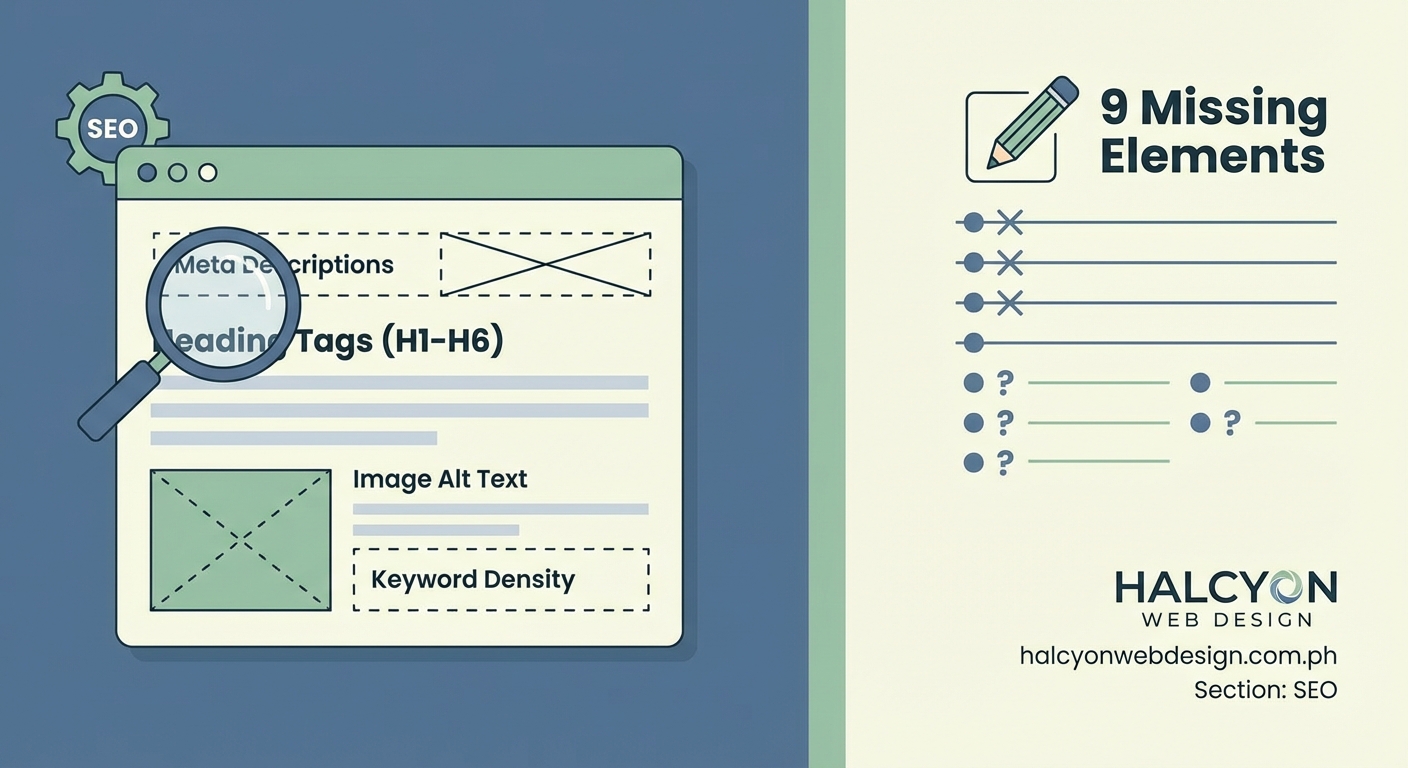
You might be targeting the right keyword but answering the wrong question.
Search intent matters more than keyword density. Google wants to show pages that satisfy what users actually need.
Someone searching “best running shoes” wants product recommendations, not a history of shoe manufacturing. Someone searching “how to tie shoes” wants step-by-step instructions, not a shopping page.
Look at what’s currently ranking for your target keyword. Notice patterns. Are they all listicles? All tutorials? All product pages? That tells you what Google thinks users want.
Your content format should match. If the top 10 results are all comparison articles with tables, your single-product review won’t rank well. If they’re all long-form guides, your 300-word blog post won’t compete.
Match your content type to the search results you want to appear in. Format matters as much as the words you write.
Study the top three results. Note their structure, length, and depth. You don’t need to copy them, but you need to meet or exceed their quality in a similar format.
Technical problems are blocking crawlers
Google’s bots need to access and understand your page. Technical issues stop that from happening.
Slow loading times hurt rankings. Pages that take more than three seconds to load on mobile get penalized. Users bounce. Google notices. Your rankings drop.
Test your page speed with Google PageSpeed Insights. Look for specific problems like oversized images, render-blocking JavaScript, or poor server response times. Why Your WordPress Site Loads Slowly (And How to Fix It in 30 Minutes) covers common speed issues and fixes.
Broken internal links create dead ends. If important pages can’t be reached through your site’s navigation, they won’t rank well. Check for 404 errors in Search Console.
Mobile responsiveness isn’t optional anymore. Google uses mobile-first indexing. If your page looks broken on phones, it won’t rank. Test every page on actual mobile devices, not just browser emulators.
Common technical issues that kill rankings:
- Missing or broken XML sitemaps
- Incorrect canonical tags pointing to the wrong page
- Mixed content warnings on HTTPS sites
- Redirect chains that slow down crawling
- Duplicate content across multiple URLs
- Server errors returning 500 status codes
Your content is too thin or generic
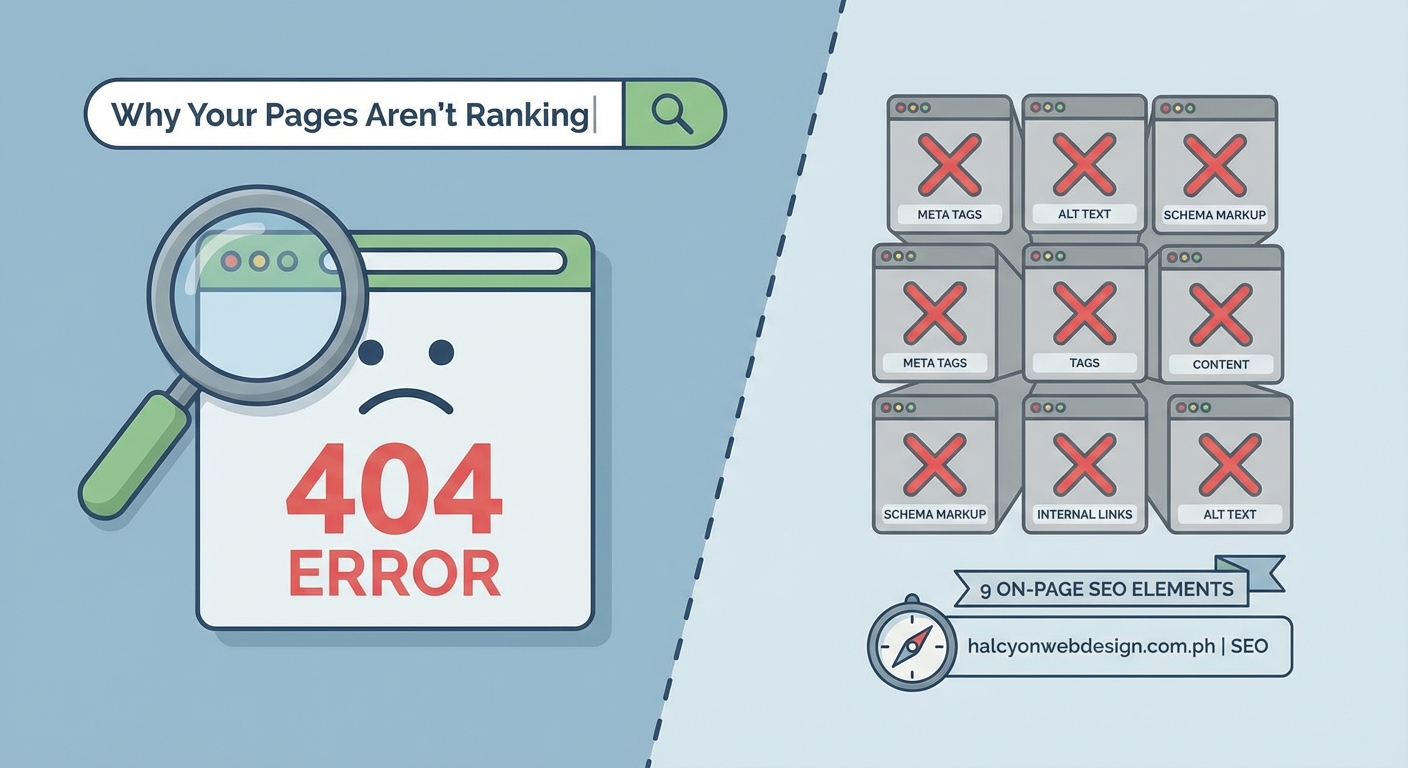
Google doesn’t reward shallow content anymore. A few paragraphs with obvious information won’t rank.
Thin content lacks depth. It doesn’t answer follow-up questions. It doesn’t provide examples. It doesn’t go beyond what users already know.
Compare your page to competitors. Count their word count, but focus more on information density. Do they cover subtopics you missed? Do they include data, examples, or case studies?
Your content needs to be genuinely helpful. That means:
- Answering the main question completely
- Addressing related questions users might have
- Providing specific examples or steps
- Including data or evidence when making claims
- Covering edge cases and exceptions
Generic advice doesn’t rank. “Make your website faster” is generic. “Compress images to under 100KB and enable browser caching through your .htaccess file” is specific.
Add unique insights. Share what you’ve learned from experience. Include screenshots, data from your own tests, or specific examples from real situations.
You’re targeting the wrong keywords
The keyword you want to rank for might be too competitive. Or it might not have enough search volume to matter.
High-competition keywords need strong domain authority. If your site is new or has few backlinks, you won’t outrank established sites for popular terms.
Choose realistic targets. Instead of “SEO tips,” try “on-page SEO checklist for new blogs.” The second term is more specific, less competitive, and attracts more qualified traffic.
Check keyword difficulty scores in tools like Ahrefs or SEMrush. If a keyword has difficulty above 50 and your domain authority is below 30, pick something easier first.
Long-tail keywords convert better anyway. They’re more specific, face less competition, and attract users who know exactly what they want.
Here’s a comparison of keyword types:
| Keyword Type | Example | Competition | Search Volume | Conversion Rate |
|---|---|---|---|---|
| Head term | SEO | Very high | 50,000+ | Low |
| Body keyword | on-page SEO | High | 5,000 | Medium |
| Long-tail | fixing crawled not indexed errors | Low | 500 | High |
Target multiple long-tail variations instead of one competitive head term. You’ll rank faster and get more qualified traffic.
Your page has no backlinks
Backlinks still matter. Pages without them struggle to rank, especially in competitive niches.
Google sees backlinks as votes of confidence. More quality backlinks signal that your content is valuable and trustworthy.
Check your backlink profile in Search Console or Ahrefs. If your page has zero referring domains, that’s likely part of the problem.
You don’t need hundreds of backlinks. A few high-quality links from relevant sites can make a significant difference.
Ways to build backlinks naturally:
- Create genuinely useful resources others want to reference
- Reach out to sites that link to similar content
- Guest post on relevant industry blogs
- Get mentioned in roundup posts or resource lists
- Fix broken links on other sites and suggest your content
Avoid buying links or participating in link schemes. Google penalizes these tactics. Focus on earning links through quality content.
Internal linking helps too. Link to your new page from existing pages on your site. This passes authority and helps Google understand the page’s importance.
You’re not using proper on-page SEO
On-page optimization isn’t just about keywords. It’s about helping Google understand what your page is about and why it should rank.
Your title tag needs to include your target keyword naturally. Keep it under 60 characters so it doesn’t get cut off in search results.
How to write meta descriptions that actually get clicks explains how to craft descriptions that improve click-through rates. Better CTR signals to Google that your result is relevant.
Use header tags properly. Your H2 and H3 headings should organize content logically and include related keywords naturally. Don’t stuff keywords. Write for humans first.
Optimize images with descriptive file names and alt text. “running-shoes-comparison.jpg” is better than “IMG_1234.jpg.” Alt text should describe the image content accurately.
Add schema markup when relevant. Product schema, FAQ schema, and how-to schema can earn rich snippets that improve visibility. How to fix crawled currently not indexed in Google Search Console covers technical fixes that complement on-page optimization.
Internal links should use descriptive anchor text. “Click here” tells Google nothing. “WordPress hosting comparison guide” tells Google exactly what the linked page covers.
Your competitors are simply stronger
Sometimes you’ve done everything right. Your page just can’t compete with established authority sites.
Check who’s ranking for your target keyword. If the top 10 results are all from sites like Forbes, HubSpot, or Moz, you’re fighting an uphill battle.
Domain authority matters. Sites with thousands of backlinks and years of history have advantages you can’t overcome immediately.
Look at competitor metrics:
- Domain authority score
- Number of referring domains
- Age of the domain
- Amount of published content
- Social signals and brand mentions
If they significantly outrank you in all these areas, you need a different strategy.
Target easier keywords first. Build your site’s authority gradually. Once you have more backlinks and stronger metrics, revisit competitive terms.
Focus on topics where you have unique expertise. If you’re a local business, target local keywords. If you have specialized knowledge, target niche subtopics larger sites ignore.
Create better content than competitors. Longer isn’t always better, but more comprehensive usually is. Add elements they’re missing like videos, calculators, or interactive tools.
Your site has underlying trust issues
Google evaluates trustworthiness. Sites with poor trust signals struggle to rank regardless of content quality.
Check for security issues. If your site lacks HTTPS, that’s a ranking factor. Browsers flag HTTP sites as “not secure,” which hurts trust and rankings.
How to secure your WordPress login page in 10 minutes helps protect your site from common vulnerabilities that can damage trust.
Look for spam signals. Excessive ads, pop-ups that block content, or aggressive affiliate links make Google question your site’s quality.
About pages and contact information matter. Sites without clear ownership information rank lower. Add an author bio with credentials. Include a legitimate business address and contact method.
Check for manual penalties in Search Console. If Google has manually penalized your site for violating guidelines, you’ll see a notification. These require specific actions to resolve.
User experience signals affect rankings too. High bounce rates, low time on page, and poor engagement metrics tell Google users don’t find your content valuable.
Fixing your ranking problems systematically
Don’t try to fix everything at once. Prioritize based on what’s most likely blocking your rankings.
Start with indexing. If Google can’t see your page, nothing else matters. Verify your page is indexed and crawlable before moving to other fixes.
Run a technical audit next. Use tools like Screaming Frog or Sitebulb to find broken links, missing meta tags, slow pages, and other technical issues. Fix the highest-impact problems first.
Analyze your content against top-ranking competitors. Create a spreadsheet comparing:
- Word count and content depth
- Number and quality of images
- Use of data and examples
- Coverage of related subtopics
- Presence of multimedia elements
Improve your content based on gaps you find. Don’t just add words. Add value.
Build internal links from your existing pages. This passes authority and helps Google understand your site structure better.
Create a backlink outreach plan. Identify 10-20 sites that might naturally link to your content. Reach out with personalized messages explaining why your content would benefit their readers.
Monitor your progress weekly. Check rankings, impressions, and clicks in Search Console. Note what changes correlate with improvements.
Your page will rank when you fix the right problems
Rankings don’t happen by accident. They’re the result of meeting Google’s quality standards and user expectations.
Most ranking problems have identifiable causes. Work through the checklist systematically. Check indexing first, then technical issues, then content quality, then backlinks.
Don’t expect overnight results. SEO takes time. Even after fixing problems, rankings can take weeks or months to improve depending on your site’s authority and competition level.
Focus on creating genuinely helpful content that satisfies user intent. Technical optimization and backlinks matter, but they amplify good content rather than rescuing bad content.
Keep testing and improving. SEO isn’t a one-time task. Monitor your rankings, study what’s working for competitors, and continuously refine your approach based on results.